There are places that whisper history and then there are places that speak it aloud. Step through the arched entrance of this majestic 22-acre heritage campus in Kozhikode, and you are instantly transported more than a century back in time. The date etched above the arch 1872 stands as a silent witness to everything this place has seen: colonial rule, societal reforms, medical evolution, and thousands of untold human stories.
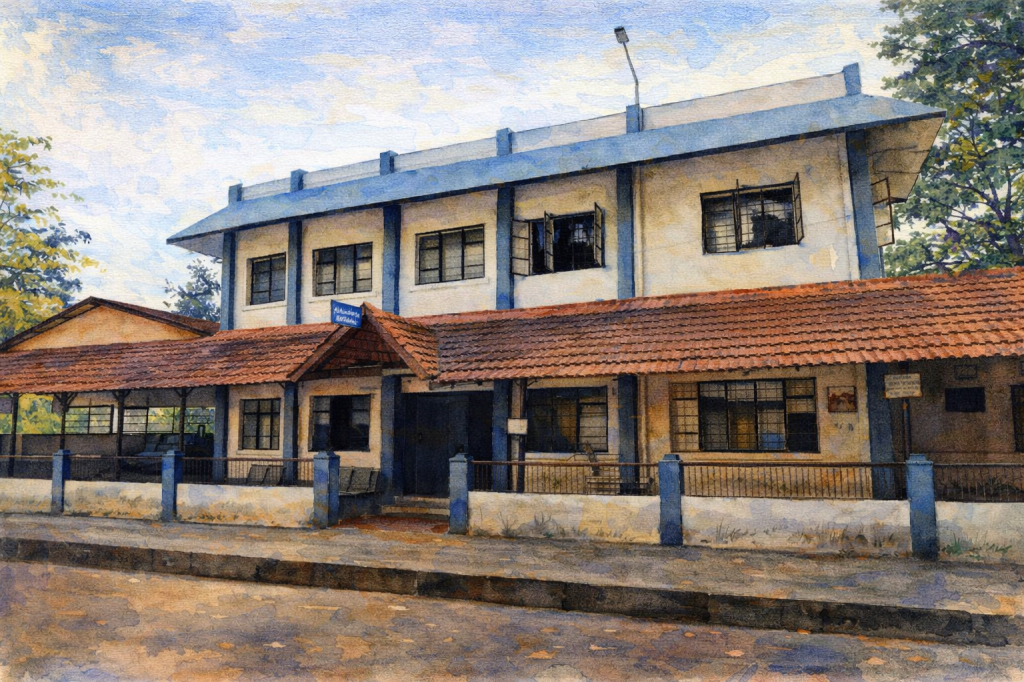
What is today known as the Government Mental Health Centre, Kozhikode, began its journey as the Lunatic Asylum of Calicut, built by the Madras Presidency. Originally established to treat mentally ill soldiers of the British Army, it later opened its doors to civilians as well. But in those days, treatment came with segregation like Indians and English patients were kept in separate quarters, both overseen by English doctors. The building design itself resembled a jail more than a hospital, reflecting the stigma of its time.
During the early 1900s, the institution was handed over to the Jail Department, where it remained even after India gained independence. It was only in 1949 that the Health Department assumed control, renaming it from Lunatic Asylum to Mental Hospital, a small yet significant step toward dignity and compassion.
If you are a traveler who loves to explore places beyond tourist brochures, this heritage complex is a treasure. Red-tiled roofs, wide verandas, long corridors, thick laterite walls, and towering trees create an atmosphere that is both haunting and soulful. Time seems to stand still here. And yet, behind these vintage structures, modern healthcare quietly thrives. The center can accommodate around 450 patients, some of whom have been here for many years. The old prison-style rooms are dark and locked but still exist, a stark reminder of how mental health was once misunderstood. But the story doesn’t end there.
Today, this institution is undergoing a massive transformation. The Kerala government is modernizing facilities, restructuring wards, and bringing in highly qualified mental health professionals and eminent doctors. There is more focus on therapy, dignity, and rehabilitation than ever before. Patients are not just treated, they are taught skills that help them rebuild their lives. Inside the campus, you’ll find inmates weaving, stitching, and doing crafts, finding purpose through work and creativity. A unique initiative here is the Weekly Discharge Adalat, where doctors and officials review patients who are fit to return to society. Efforts are made to reunite them with their families or rehabilitate them in safe spaces—a compassionate process that has significantly reduced overcrowding.
This isn’t just a medical institution, it is a living documentary of India’s mental health journey from colonial-era confinement to modern-day care and compassion. While entry is restricted, those who receive permission often walk away deeply moved. This is not a typical tourist destination but for history lovers, social explorers, and those who seek stories that matter, this place leaves a profound impact.
In Kozhikode, some heritage buildings preserve beauty. This one preserves humanity. Walking through its corridors, you don’t just see history, you feel it.
 STORIES by HEARITAGE
Leave a comment