As you walk in Wayanad, the forests whisper the name of a forgotten hero – Kerala Varma Pazhassi Raja, the Lion of Kerala. Standing amidst the green canopy, you could almost feel his presence in fierce, watchful, and unyielding manner. It was here, in these very forests of Mananthavady, that one of India’s earliest freedom struggles was born, long before 1857 was ever called the First War of Independence. The locals here still tell tales of their beloved Raja, the man who defied two empires: first Mysore, then the mighty British. Every winding road here seems to lead back to his courage, every river murmurs his name.
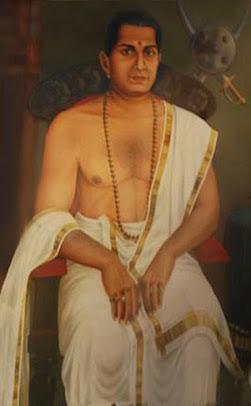
The story of Pazhassi Raja begins in the royal house of Kottayam (near present-day Kannur), where he was born into nobility but chose the harder path one that is of resistance. At just twenty one, he took over the throne from his uncle when most rulers fled south, fearing Hyder Ali’s invasion. While others sought safety, Pazhassi stayed and fought. The hills of Wayanad became his fortress, and the Nairs, Kurichiyas, and Thiyyas became his army. Together, they fought not from palaces but from the shadows of the forest, mastering guerrilla warfare long before the world gave it that name. The British called him Pychy Raja; the locals called him Veera Pazhassi. From the depths of Wayanad’s forests, Pazhassi waged a war of the people. His men struck swiftly and vanished into the trees. Their arrows rained down from nowhere; their courage shook the enemy. Even the legendary General Arthur Wellesley, the man who would later defeat Napoleon at Waterloo learned his forest warfare from Pazhassi’s campaigns. In his own memoirs, Wellesley admitted that Pazhassi was his toughest opponent.
At Thalassery Fort, one can only imagine the clash of swords and echo of cannons from 1780 when Pazhassi joined hands with the British to defeat Mysore’s forces. But alliances with empires are fragile; soon after, betrayal, politics, and greed tore the region apart again. The British, who once called him an ally, branded him a rebel when he refused to bow down to their oppressive taxes. The Periya Pass, a serene forest path today, was once a scene of thunderous resistance. Here, Pazhassi’s army ambushed British troops under Major Cameron. The dense jungles echoed with the cries of battle, and by the end of that day, the empire suffered one of its worst defeats. Standing there, surrounded by ancient trees, one could almost hear the sound of those Kurichia bowmen with their precise, invisible, unstoppable archery and valor.
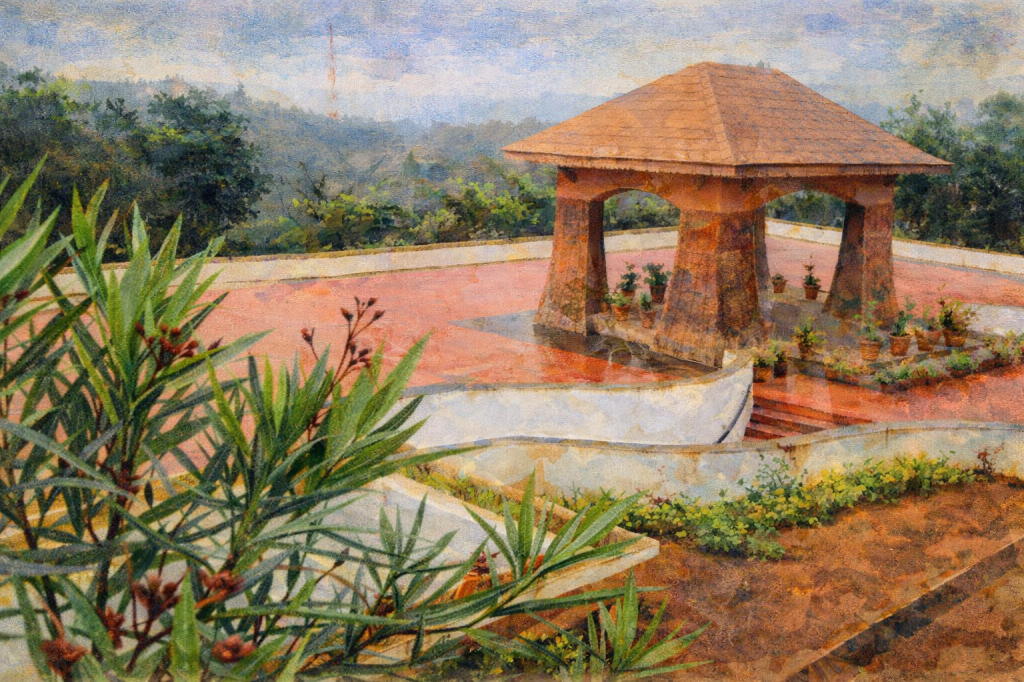
But even legends fall to betrayal. A trusted general, Pazhayamviden Chandu, turned informer, leading the British deep into the forest hideout. Surrounded and outnumbered, the Lion of Kerala met his end in 1805. Some say he fell to enemy bullets; others whisper that he took his own life, swallowing a diamond ring to escape capture. Whatever the truth, the land remembers him not for his death, but for the fire of freedom he kindled. Here at Mananthavady, the Pazhassi Raja Park and Tomb stand quietly as a memorial to the man who lived and died for his people. The air here is thick with reverence. Old men still call him Pazhassi Thampuran with pride. A few miles away, at Kozhikode’s East Hill, you can visit the Pazhassi Raja Archaeological Museum, a colonial-era bungalow turned museum. Its old walls house Bronze Age relics, ancient coins, and sculptures which silently witnesses of Kerala’s layered history. But what draws visitors most is the spirit of the Raja himself, immortalized in artifacts and in memory.
 STORIES by HEARITAGE
Leave a comment