As you walk in Wayanad, the forests whisper the name of a forgotten hero – Kerala Varma Pazhassi Raja, the Lion of Kerala. In the town of Mananthavady is a place that in many ways is the signature of Kerala’s history and Pazhassi Tomb certainly is a place to remember his valor.
Standing amidst the green canopy, you could almost feel his presence in fierce, watchful and unyielding manner. It was here, in these very forests of Mananthavady that one of India’s earliest freedom struggles was born, long before 1857 was ever called the First War of Independence. The locals here still tell tales of their beloved Raja, the man who defied two empires: first Mysore, then the mighty British. Every winding road here seems to lead back to his courage, every river murmurs his name.
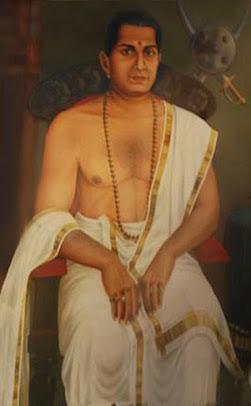
The story of Pazhassi Raja begins in the royal house of Kottayam (near present-day Kannur), where he was born into nobility but chose the harder path one that is of resistance. At just twenty one, he took over the throne from his uncle when most rulers fled south fearing Hyder Ali’s invasion. While others sought safety, Pazhassi stayed and fought. The hills of Wayanad became his fortress and the Nairs, Kurichiyas and Thiyyas became his army. Together, they fought not from palaces or forts but from the shadows of the forest, mastering guerrilla warfare long before the world gave it that name.
The British called him Pychy Raja while the locals called him Veera Pazhassi. From the depths of Wayanad’s forests, Pazhassi waged a war of the people. His men struck swiftly and vanished into the trees & their arrows rained down from nowhere and their courage shook the enemy. Even the legendary General Arthur Wellesley, the man who would later defeat Napoleon at Waterloo learned his forest warfare from Pazhassi’s campaigns. In his own memoirs, Wellesley admitted that Pazhassi was his toughest opponent and considered him to be the greatest fighter on a horse back.
The story of Pazhassiraja is of great awe as a person who enjoyed a lot of wealth & fervor chose to live a life of resilience and held his head high in resisting the powers who brought suffering to people. The story of the king can only be summarised based on events which stamped a permanent mark not just in Kerala folklore but its written history.
Kerala Varma Pazhassi Raja was born into the western branch of the Kottayam royal family in 1753 & was fourth in line for succession to the throne.
Being a young man, he was privy to the earlier Mysore-Malabar conflict which resulted in Malabar Rajas agreed to pay tribute to Mysore to which the young Keralavarma was opposed as he looked down upon them for not standing up.
At age 20yrs, when Hyder Ali invaded Malabar for non paymnet of tribute most of the Malabar kings fled to Travancore fearing persecution but Kerala Varma dared them and refused to flee showing early signs of the valor that he is known for.
When his uncle flees, he takes effective control of Kottayam and begins guerrilla warfare from forests of Puralimala and Wayanad with Nairs, Kurichiyas, Mullukurumas, Thiyyas and others.
Pazhassi joins hands with the British to ward off the Mysore forces who now have the support of Chirakkal Raja and takes control of Thalassery
After the death of Hyder Ali, Tipu Sultan takes over & in the phase of power transfer Kerala Varma takes control of Wayanad.
Tipu Sultan is recognised by the British and hands over Waynad to Mysore as a Vassal which further stains the canvas for Pazzhassi resulting in a 7 year long warfare with the Mysore Army.
By 1788, the lands were being annexed by Tipu & his fanaticism forced conversion of people which creates factions in the army of Kerala Varma and his people. The actions of Tipu Sultan caused British to start the third Anglo – Mysore war where Tipu suffers losses and Malabar is again ceded to the Company. This was achieved as Pazzhasi had sided with the British to fight Tipu.
Kerala Varma again finds himself at cross roads with the British when they impose harsh revenue tax collections on people & the conflict deepens.
By 1795, Kerala Varma openly challenges the British and opposes collections of taxes from his people. The British force him into the forests and take over his palace.
Pazzhassi finally takes assistance of his old adversary Tipu Sultan to fight the British and the Mysore King reconciles with his old foe for a common goal which was to end the British hold on Malabar.
In 1797 Pazzhassi with the support of around 6000 Mysore Soldiers & Kurichia Bowmen ambush Major Camerons battalion at the Kutiyadi churam & capture arms & ammunitions. This single event is termed as the greatest defeats suffered by Company in Malabar.
The ambush of 1797 is termed as the first Cotiote War which is handsomely won by Pazzhassi and in return of the plunder is given a royal pardon along with return of his house & annual allowance.
After the death of Tipu Sultan in 1799, Company moves to annex Wayanad and Pazhassi views this as betrayal and his assets are once again seized, he along his wife and troops are forced to flee into the forests.
The start of 1800 marks the advent of a bloody second Cotiote War where Arthur Welleseley is named the Major General of Malabar. The British deploys 10,000 troops to track the rebels & quell their resistance. The rebels using their knowledge of the forest & guerilla tactics continue to cause heavy casualties on the troops. Rewards are announced for Pazhassi and associates but Kerala Varma continues to resist the company till he dies in 1805.
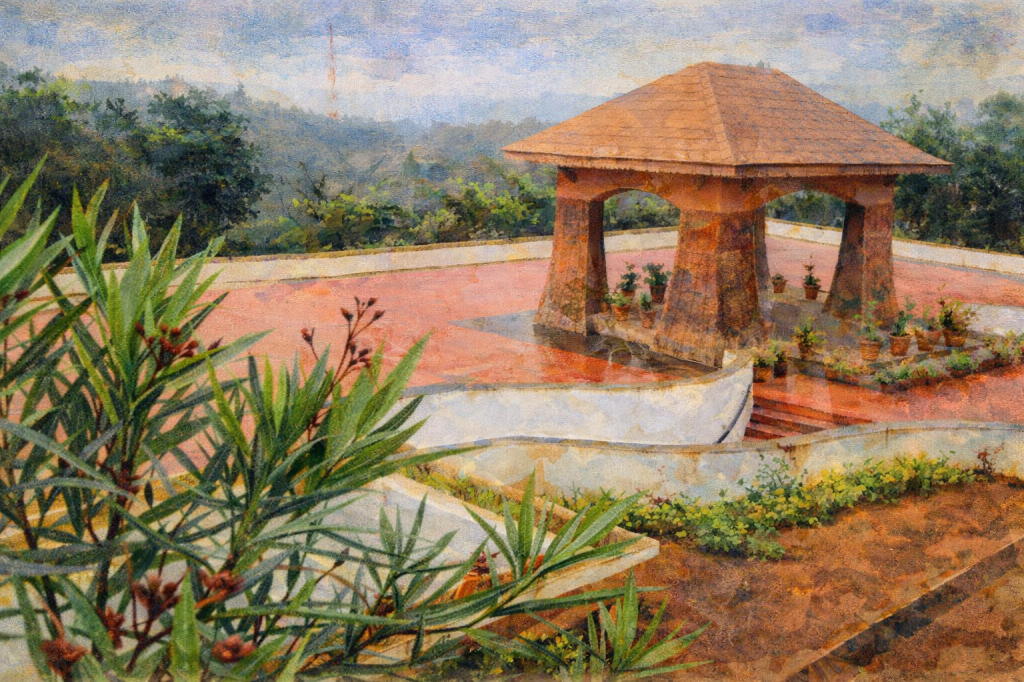
The resting place of Kerala Varma Pazhassi Raja stands today as a quiet yet powerful reminder of a turbulent past. At Mananthavady in Wayanad, the Pazhassi Tomb marks the very spot where the Lion of Kerala was cremated after his death in 1805. In a striking twist of history, the memorial was constructed in 1910 by the British administration, the same power he had resisted for decades. What was once a battlefield of defiance became, over time, a ground of acknowledgment.
The structure itself is modest and dignified. It does not overwhelm the visitor with grandeur; instead, it reflects solemn respect. Surrounded by the calm greenery of Wayanad, the tomb blends into the landscape that once sheltered Pazhassi Raja during his years of guerrilla warfare. The forests that protected him in life now cradle his memory in silence.
Yet the tomb is far more than a physical monument. It symbolizes resistance, courage, and the unyielding spirit of a people who refused to bow to external domination. For the people of Kerala, it is a site of pride & an enduring testament to a ruler who chose hardship in the wilderness over submission to foreign rule. The memorial acknowledges not only Pazhassi Raja’s leadership but also the countless unnamed warriors, tribal fighters, peasants and loyal commanders who stood beside him in his struggle.
Visitors who walk through the peaceful grounds often experience a sense of reflection. The stillness contrasts sharply with the fierce battles that once raged across the region. In that quiet space, history feels immediate. The tomb reminds us that freedom was not gifted; it was earned through sacrifice, resilience, and unwavering conviction.
Underneath the tomb is a museum which contains Pazhassi Raja’s sword and other information about the cultural history of Kerala. Some of his possessions such as mural paintings, ancient coins, models of temples and umbrella stones are housed in this museum. The memorial is managed by the Kerala State Archaeology Department.
Today, the Pazhassi Tomb stands not merely as a tribute to a fallen king, but as a living symbol of Kerala’s enduring spirit and a reminder that even in defeat, the legacy of courage can never be conquered.
 STORIES by HEARITAGE
Leave a comment